

Daily Auto-Yield 2.7%

Auto-compounded. No lock, no transfer required. Your funds stay in your wallet with complete control.

No KYC No KYC Proof-of-Stake Proof-of-Stake Blockchain Verified Blockchain Verified Non-Custodial Non-Custodial Auto-Compounding Auto-Compounding



How to Earn Bitcoin in 2024: A Beginner's Guide to Mining and Earning
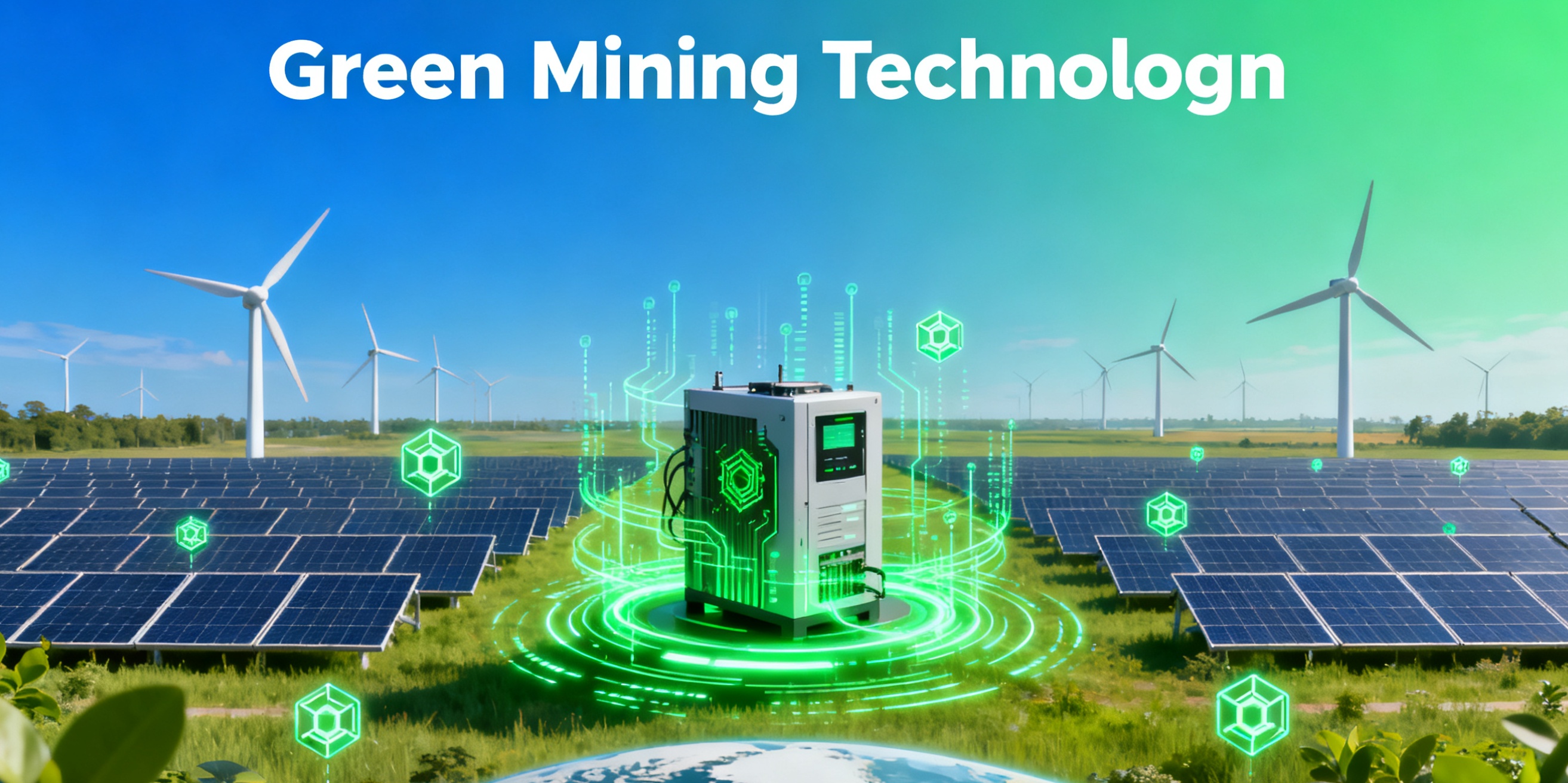
How to Earn Bitcoin in 2024: A Beginner's Guide to Mining and Earning

For many, the idea of generating new Bitcoin is a compelling entry point into the world of cryptocurrency. While the process has evolved dramatically since Satoshi Nakamoto mined the first block, opportunities to earn Bitcoin still exist. This guide breaks down the primary methods, focusing on modern mining and alternative earning strategies.

The most direct method to "earn new bitcoins" is through mining. Bitcoin mining serves two critical functions: it introduces new coins into circulation and secures the network by validating transactions. Miners use specialized computers to solve complex mathematical puzzles. The first miner to solve the puzzle gets to add a new block to the blockchain and is rewarded with a set number of new bitcoins, known as the block reward, plus transaction fees.

However, solo mining with a standard computer is no longer viable. The network's difficulty has increased to a point where immense computational power is required. Today, successful mining typically involves joining a mining pool. In a pool, miners combine their hashing power to increase the chance of solving a block. Rewards are then distributed among participants based on the amount of work they contributed. This provides a more steady, though shared, stream of income.

The barrier to entry for mining is now high, involving significant investment in ASIC (Application-Specific Integrated Circuit) hardware, access to cheap electricity, and technical knowledge for setup and maintenance. For most individuals, the costs and complexities can outweigh potential profits. Therefore, cloud mining services have emerged, where you rent mining power from a company. While easier, this requires thorough research to avoid scams and ensure the contract is profitable.

Given the challenges of mining, many turn to alternative ways to earn Bitcoin. These methods don't create new coins but allow you to acquire them through work or participation. One popular approach is earning through Bitcoin faucets and reward apps. These platforms give out small amounts of Bitcoin for completing simple tasks like watching ads, playing games, or answering surveys. While the earnings are minimal, they offer a risk-free introduction.

A more substantial method is to offer goods or services and request payment in Bitcoin. Freelancers, consultants, and online sellers can add Bitcoin as a payment option, tapping into a global market. Additionally, some platforms pay content creators and social media users in Bitcoin for generating engagement. Another passive strategy is interest-earning accounts offered by certain cryptocurrency platforms, where you can lend your existing Bitcoin and earn a percentage yield over time.

Before starting, understanding the ecosystem is crucial. You will need a secure Bitcoin wallet to store your earnings, whether from mining or other activities. Hardware wallets offer the best security for significant amounts. Furthermore, always be aware of tax implications in your jurisdiction, as earnings from Bitcoin are often considered taxable income.

In conclusion, directly mining new bitcoins is largely an industrial-scale operation today. For the average person, joining a reputable mining pool or exploring cloud mining are the feasible paths within that domain. However, a broader and often more accessible strategy is to focus on earning existing Bitcoin through various online activities, freelancing, or strategic investments. Success in either avenue requires careful research, calculated investment, and a focus on security to navigate this dynamic digital landscape effectively.

Comment

MTMining

Decentralized USDC Auto-Yield Platform
No KYC
Proof-of-Stake
Blockchain Verified
Non-Custodial

How to Earn Bitcoin in 2024: A Beginner's Guide to Mining and Earning

How to Earn Bitcoin in 2024: A Beginner's Guide to Mining and Earning

For many, the idea of generating new Bitcoin is a compelling entry point into the world of cryptocurrency. While the process has evolved dramatically since Satoshi Nakamoto mined the first block, opportunities to earn Bitcoin still exist. This guide breaks down the primary methods, focusing on modern mining and alternative earning strategies.

The most direct method to "earn new bitcoins" is through mining. Bitcoin mining serves two critical functions: it introduces new coins into circulation and secures the network by validating transactions. Miners use specialized computers to solve complex mathematical puzzles. The first miner to solve the puzzle gets to add a new block to the blockchain and is rewarded with a set number of new bitcoins, known as the block reward, plus transaction fees.

However, solo mining with a standard computer is no longer viable. The network's difficulty has increased to a point where immense computational power is required. Today, successful mining typically involves joining a mining pool. In a pool, miners combine their hashing power to increase the chance of solving a block. Rewards are then distributed among participants based on the amount of work they contributed. This provides a more steady, though shared, stream of income.

The barrier to entry for mining is now high, involving significant investment in ASIC (Application-Specific Integrated Circuit) hardware, access to cheap electricity, and technical knowledge for setup and maintenance. For most individuals, the costs and complexities can outweigh potential profits. Therefore, cloud mining services have emerged, where you rent mining power from a company. While easier, this requires thorough research to avoid scams and ensure the contract is profitable.

Given the challenges of mining, many turn to alternative ways to earn Bitcoin. These methods don't create new coins but allow you to acquire them through work or participation. One popular approach is earning through Bitcoin faucets and reward apps. These platforms give out small amounts of Bitcoin for completing simple tasks like watching ads, playing games, or answering surveys. While the earnings are minimal, they offer a risk-free introduction.

A more substantial method is to offer goods or services and request payment in Bitcoin. Freelancers, consultants, and online sellers can add Bitcoin as a payment option, tapping into a global market. Additionally, some platforms pay content creators and social media users in Bitcoin for generating engagement. Another passive strategy is interest-earning accounts offered by certain cryptocurrency platforms, where you can lend your existing Bitcoin and earn a percentage yield over time.

Before starting, understanding the ecosystem is crucial. You will need a secure Bitcoin wallet to store your earnings, whether from mining or other activities. Hardware wallets offer the best security for significant amounts. Furthermore, always be aware of tax implications in your jurisdiction, as earnings from Bitcoin are often considered taxable income.

In conclusion, directly mining new bitcoins is largely an industrial-scale operation today. For the average person, joining a reputable mining pool or exploring cloud mining are the feasible paths within that domain. However, a broader and often more accessible strategy is to focus on earning existing Bitcoin through various online activities, freelancing, or strategic investments. Success in either avenue requires careful research, calculated investment, and a focus on security to navigate this dynamic digital landscape effectively.

Comment