 No KYC
 Proof-of-Stake
 Blockchain Verified
 Non-Custodial
 Auto-Compounding
How Does Bitcoin Mining Work and Make Money? A Clear Guide
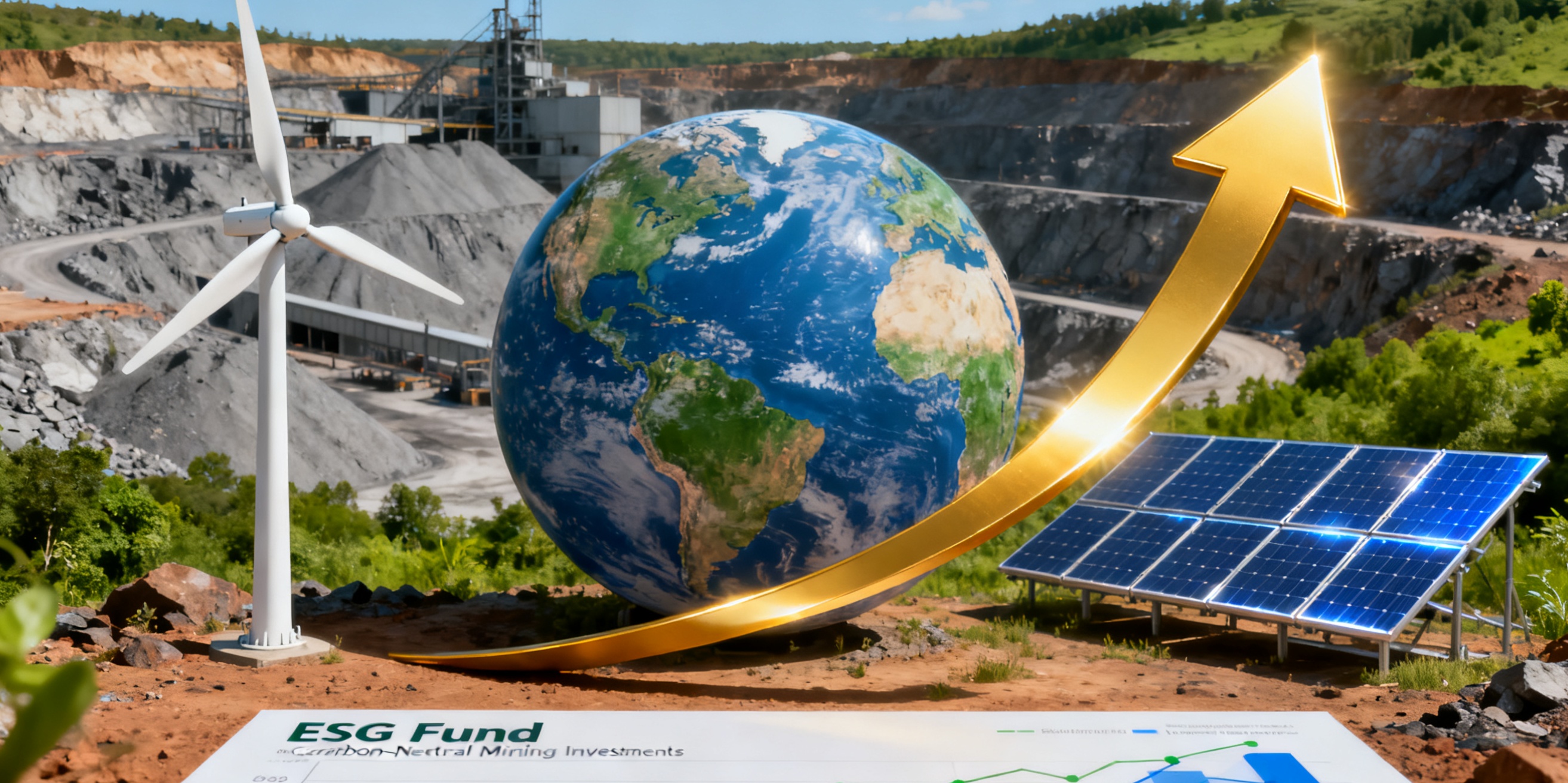
Bitcoin mining is often mentioned in discussions about cryptocurrency, but how does it actually generate revenue? At its core, Bitcoin mining serves two critical functions: it secures the decentralized Bitcoin network and introduces new bitcoins into circulation. Miners earn money primarily through block rewards and transaction fees.
The process begins with miners using specialized computer hardware to solve complex cryptographic puzzles. This activity is known as "proof-of-work." Miners across the globe compete to be the first to find a valid solution for the next block of transactions. This effort requires immense computational power and electricity, representing the miner's investment.
When a miner successfully solves the puzzle, they propose the new block to the network. If other nodes verify and accept it, the miner receives a predetermined block reward. This reward is how new bitcoins are created. Initially set at 50 bitcoins per block, this reward halves approximately every four years in an event called the "halving." This controlled scarcity mimics the extraction of a precious resource and is built into Bitcoin's code.
Beyond the block reward, miners also collect fees from the transactions included in their block. Users can optionally attach a fee when sending Bitcoin to incentivize miners to prioritize their transaction. When network congestion is high, these fees can rise significantly. After a halving event, transaction fees become an increasingly important part of a miner's revenue stream.
However, mining is not a guaranteed profit machine. Several key factors determine profitability. The cost of electricity is the single largest ongoing expense; operations are often located near cheap power sources. The efficiency and performance of the mining hardware (ASICs) are also crucial, as more efficient machines solve puzzles using less energy. The total computational power of the network, known as the hash rate, impacts difficulty; as more miners join, the puzzles become harder to solve, reducing an individual's chance of earning rewards.
This competitive landscape has led to the formation of mining pools. Individual miners often combine their computational resources into a pool to increase their chances of solving a block. Rewards are then shared among pool participants proportionally to the computing power they contributed. This provides a more steady, predictable income stream compared to solo mining, where finding a block alone is rare but comes with a full reward.
In summary, Bitcoin mining makes money by rewarding miners with newly minted bitcoins and transaction fees for their vital role in processing transactions and securing the blockchain. Profitability is not automatic and hinges on managing high costs—especially electricity—against the value of Bitcoin and the intense global competition. As the block reward continues to halve, the economic model of mining will increasingly rely on transaction fees, shaping the future of this foundational cryptocurrency industry.
Comment