 No KYC
 Proof-of-Stake
 Blockchain Verified
 Non-Custodial
 Auto-Compounding
Can You Still Mine Bitcoin at Home in 2024? A Realistic Guide
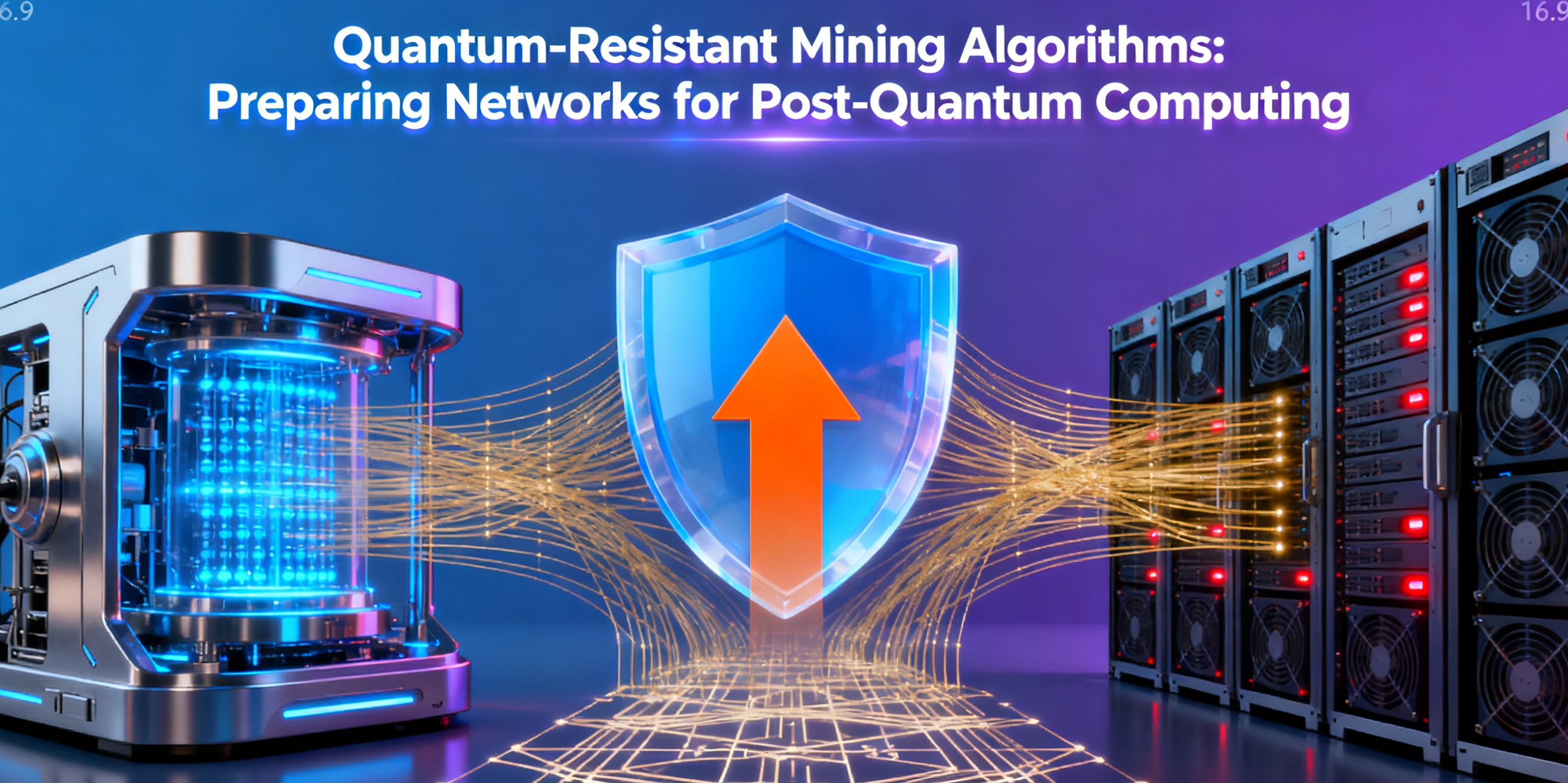
For many, the idea of mining Bitcoin on a home computer evokes the early days of cryptocurrency, where enthusiasts could earn coins with their everyday PC. The landscape, however, has changed dramatically. This guide provides a clear, realistic look at the feasibility, challenges, and potential paths for mining Bitcoin from home today.
At its core, Bitcoin mining is the process of using computing power to solve complex mathematical puzzles. This secures the Bitcoin network, verifies transactions, and creates new bitcoins as a reward for successful miners. In the past, the central processing unit (CPU) of a standard computer was sufficient. Today, the competition is global and industrialized.
The short and direct answer to mining Bitcoin with a modern home computer is: it is no longer profitable or practical. The primary reason is the astronomical rise in mining difficulty. This difficulty automatically adjusts to ensure new blocks are found roughly every ten minutes, regardless of how much total computing power is dedicated to the network. With massive mining farms operating thousands of specialized machines called ASICs (Application-Specific Integrated Circuits), the difficulty has soared beyond the reach of general-purpose hardware like CPUs and even powerful graphics cards (GPUs).
Attempting to mine Bitcoin directly with your home PC will almost certainly result in earning less in Bitcoin value than you spend on electricity, leading to a net loss. Your computer will work tirelessly, generating significant heat and wear on components, for a near-zero return.
While solo Bitcoin mining is off the table, there are alternative approaches for home enthusiasts interested in supporting networks and earning crypto. One common method is to join a mining pool. Pools combine the hashing power of many participants worldwide to increase the chance of solving a block. Rewards are then distributed based on contributed work. While this improves chances, the share for a single home computer using an ASIC miner (not a regular PC) would still be minuscule after electricity costs are factored in.
A more accessible avenue for home computers is mining alternative cryptocurrencies. Some coins, like Monero (XMR), are designed to be ASIC-resistant, meaning they are intended to be mined efficiently with consumer-grade CPUs and GPUs. This can be a more educational and potentially break-even hobby. However, thorough research on coin profitability, which fluctuates with price and difficulty, and precise calculation of your local electricity costs are essential first steps.
If you are determined to start, you will need specialized Bitcoin ASIC miners (a significant upfront investment), reliable and low-cost electricity, robust cooling solutions to manage noise and heat, and mining software. For alternative coins, a powerful GPU with efficient cooling is often the starting point. Crucially, you must calculate profitability using an online mining calculator, inputting your hardware's hash rate, power consumption, and local electricity rate.
In conclusion, the romantic notion of profitably mining Bitcoin on a home computer is largely a relic of the past. The network has matured into a professional, capital-intensive industry. For most individuals, purchasing Bitcoin directly from a reputable exchange is a far more efficient method of acquisition. However, mining alternative cryptocurrencies or participating in pools can serve as an educational introduction to blockchain technology, provided expectations are set realistically around costs and potential returns. The key takeaway is to always do the math: electricity cost is the decisive factor in any home mining endeavor.
Comment