 No KYC
 Proof-of-Stake
 Blockchain Verified
 Non-Custodial
 Auto-Compounding
How to Mine Bitcoin SV (BSV): A Step-by-Step Beginner's Guide 2024
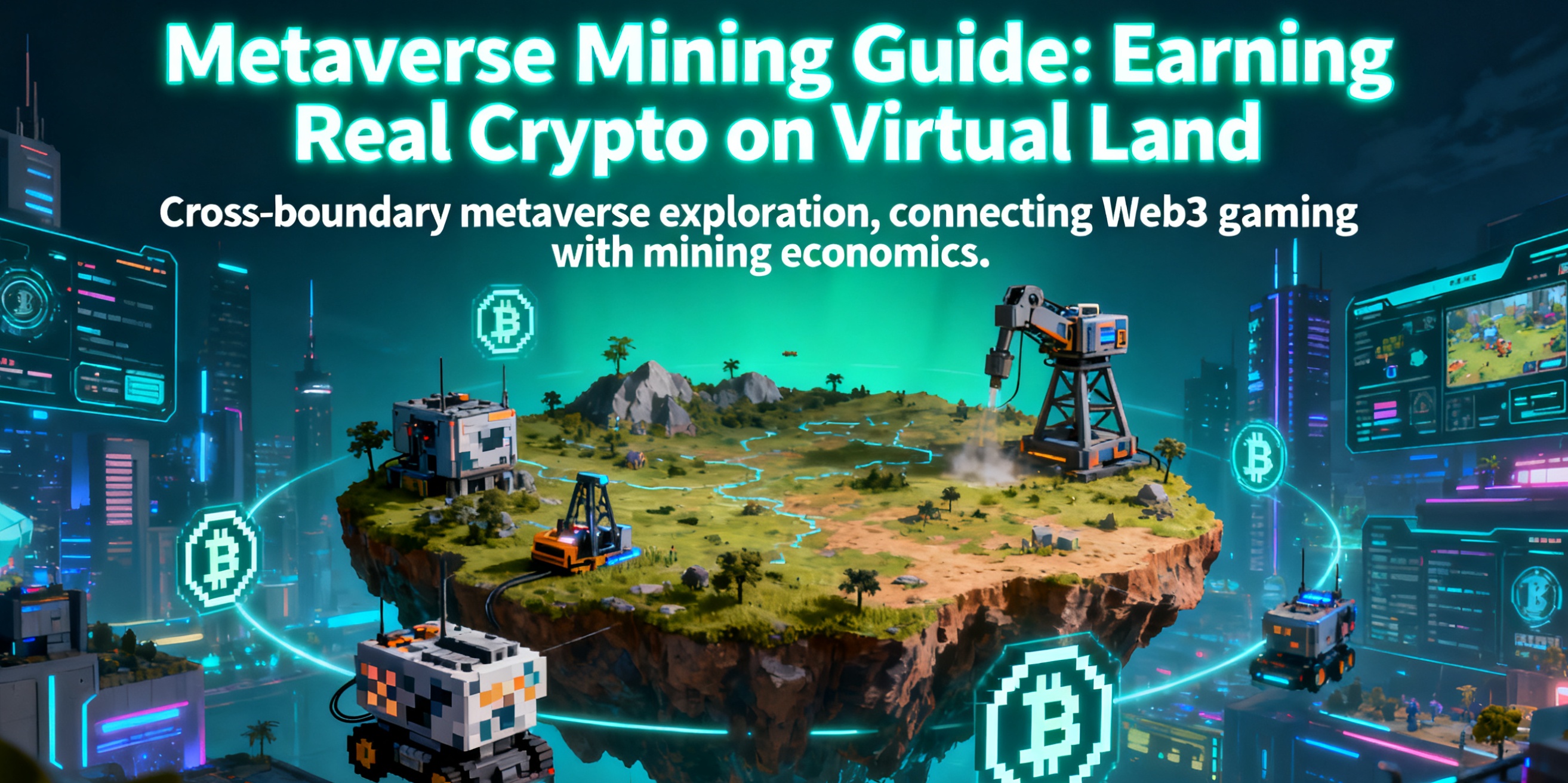
Bitcoin SV (BSV) represents a return to what its proponents call the original vision of Bitcoin, as outlined in Satoshi Nakamoto's whitepaper. For those interested in supporting the network and earning BSV rewards, mining is the foundational process. This guide will walk you through the essential steps on how to mine Bitcoin SV.
Before you begin, understand that Bitcoin SV mining is a highly competitive and resource-intensive endeavor. It requires significant investment in hardware and electricity. Mining involves using specialized computers to solve complex mathematical problems. The first miner to solve the problem gets to add a new block of transactions to the BSV blockchain and is rewarded with newly minted BSV and transaction fees.
The absolute prerequisite for mining BSV is specialized hardware called an ASIC (Application-Specific Integrated Circuit). General-purpose computers or GPUs are no longer viable for mining Bitcoin SV. You will need to purchase a powerful ASIC miner, such as models from Whatsminer or Antminer, capable of mining on the SHA-256 algorithm. Consider the miner's hash rate (computational power), energy consumption (in watts), and overall cost.
Next, you must choose your mining approach. Solo mining, where you attempt to find blocks alone, is incredibly difficult due to the high network hash rate. For most individuals, joining a Bitcoin SV mining pool is the only practical option. In a pool, miners combine their computational power to increase the chance of finding a block. Rewards are then distributed among participants based on the amount of hash power they contributed. Popular BSV pools include ViaBTC, SVPool, and Mempool.
Once you have your hardware and have selected a pool, you need to set up your mining software. This software connects your ASIC miner to the blockchain and your chosen mining pool. The configuration typically involves specifying the pool's address and your unique worker credentials. Common mining software for ASICs includes Braiins OS+ and CGMiner. Ensure you follow the specific setup instructions provided by your pool and your miner's manufacturer.
A critical and often overlooked step is setting up a secure Bitcoin SV wallet. You cannot mine without an address to receive your rewards. Choose a reliable BSV wallet that gives you full control of your private keys. Options include the official ElectrumSV wallet, HandCash, or a hardware wallet like Ledger. Obtain your public BSV address from this wallet to enter into your mining pool's dashboard.
Finally, you are ready to start mining. Connect your ASIC miner to a power source and your internet router, configure it with the mining software and pool details, and launch the process. You can monitor your miner's status, temperature, hash rate, and estimated earnings through the pool's website interface. Be prepared for the operational challenges, including managing the substantial heat output and noise generated by the equipment.
Successful Bitcoin SV mining requires continuous calculation. You must weigh the costs of your ASIC hardware, the ongoing electricity expenses in your region, and the evolving network difficulty against the potential value of the BSV rewards. Profitability can fluctuate daily with the price of BSV. Use online mining profitability calculators to estimate your potential earnings before making a major investment. With careful planning and management, mining Bitcoin SV can be a way to participate directly in the network's security and growth.
Comment