

Daily Auto-Yield 2.7%

Auto-compounded. No lock, no transfer required. Your funds stay in your wallet with complete control.

No KYC No KYC Proof-of-Stake Proof-of-Stake Blockchain Verified Blockchain Verified Non-Custodial Non-Custodial Auto-Compounding Auto-Compounding



How Bitcoin Miners Make Money: A Clear Guide to Mining Profits
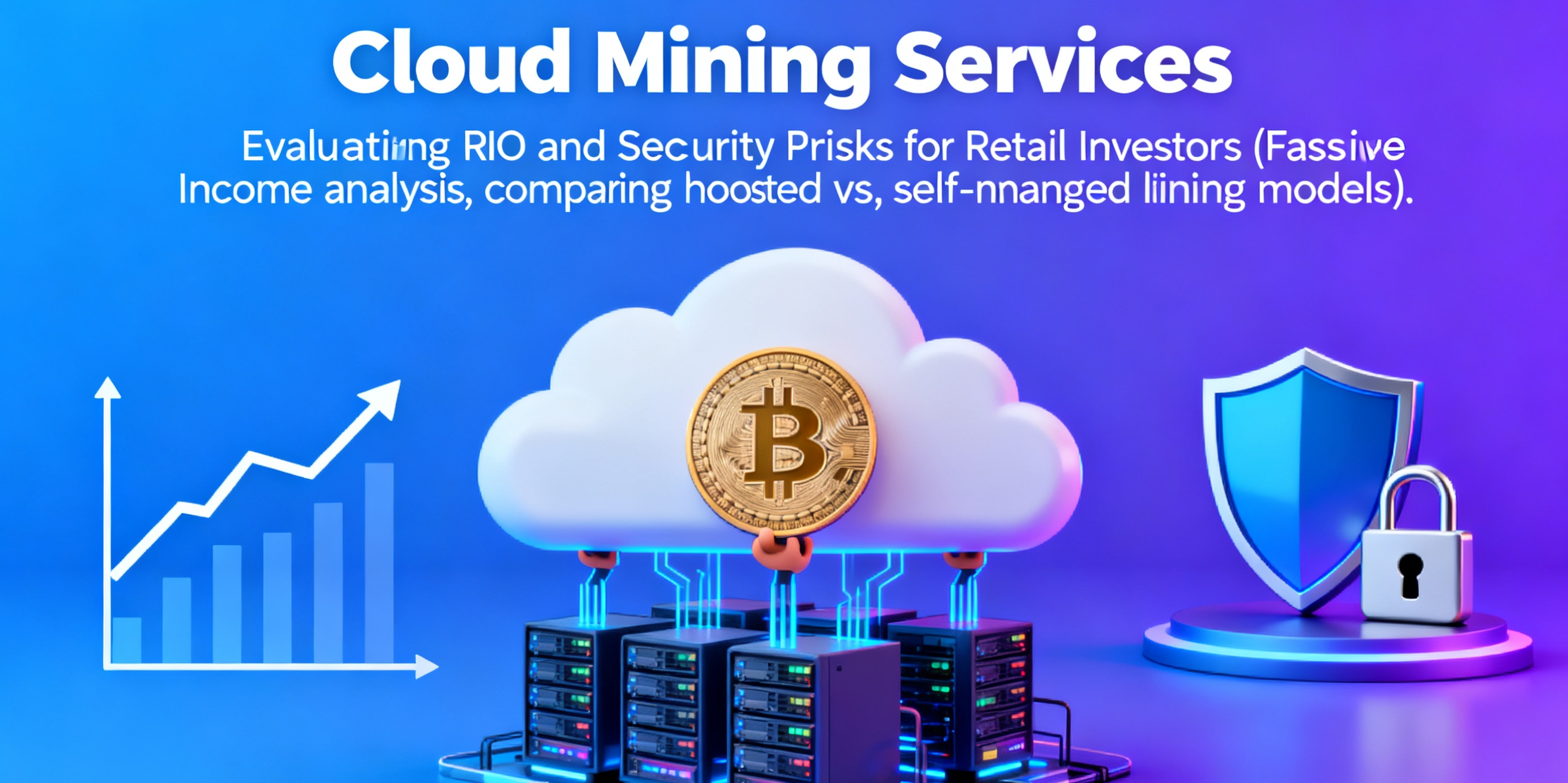
How Bitcoin Miners Make Money: A Clear Guide to Mining Profits

Bitcoin mining machines make money by successfully adding new blocks to the Bitcoin blockchain and receiving block rewards. This process involves specialized computers, known as miners, competing to solve complex cryptographic puzzles. The first miner to solve the puzzle gets the right to validate the block of transactions and is rewarded with newly minted bitcoins and transaction fees. This reward is the primary revenue stream for miners.

The core incentive is the block reward. When Bitcoin was launched, this reward was 50 BTC per block. It halves approximately every four years in an event called the "halving." As of the latest halving, the reward stands at 3.125 BTC per block. This reward will continue to halve until the maximum supply of 21 million bitcoins is reached. The next halving is anticipated in 2028. This built-in scarcity model is fundamental to Bitcoin's value proposition.

Transaction fees supplement the block reward. Users attach fees to their Bitcoin transactions to incentivize miners to prioritize them. When a miner creates a new block, they collect all the fees from the transactions included in that block. As block rewards continue to diminish over time, these transaction fees are expected to become the primary source of income for miners, ensuring the long-term security and viability of the network.

Profitability, however, is not guaranteed. It depends on several critical factors. The hash rate, or the total computational power of the mining network, determines competition levels. Higher network hash rates mean more competition, making it harder to solve the puzzle and earn rewards. The efficiency and cost of the mining hardware, typically ASICs (Application-Specific Integrated Circuits), are crucial. More efficient machines solve more puzzles while consuming less electricity.

Electricity cost is the single largest ongoing expense for any mining operation. Profitable mining often requires access to extremely low-cost power sources. The price of Bitcoin itself is the ultimate variable. If the market value of the earned bitcoin falls below the operational costs (mainly electricity and hardware depreciation), mining becomes unprofitable. Miners must constantly balance these elements to ensure their venture remains in the green.

Many individual miners join mining pools to stabilize income. In a pool, participants combine their computational power to increase the chances of solving a block. Rewards are then distributed among pool members based on the amount of hash power they contributed. This provides a more consistent, predictable stream of income compared to solo mining, where rewards are infrequent but larger.

In summary, Bitcoin mining machines generate revenue through a combination of block rewards and transaction fees. Their profitability is a delicate calculation involving hardware efficiency, electricity costs, network difficulty, and Bitcoin's market price. While it presents a potential income opportunity, it is a capital-intensive and competitive business requiring careful planning and access to cheap energy to be sustainable in the long run.

Comment

MTMining

Decentralized USDC Auto-Yield Platform
No KYC
Proof-of-Stake
Blockchain Verified
Non-Custodial

How Bitcoin Miners Make Money: A Clear Guide to Mining Profits

How Bitcoin Miners Make Money: A Clear Guide to Mining Profits

Bitcoin mining machines make money by successfully adding new blocks to the Bitcoin blockchain and receiving block rewards. This process involves specialized computers, known as miners, competing to solve complex cryptographic puzzles. The first miner to solve the puzzle gets the right to validate the block of transactions and is rewarded with newly minted bitcoins and transaction fees. This reward is the primary revenue stream for miners.

The core incentive is the block reward. When Bitcoin was launched, this reward was 50 BTC per block. It halves approximately every four years in an event called the "halving." As of the latest halving, the reward stands at 3.125 BTC per block. This reward will continue to halve until the maximum supply of 21 million bitcoins is reached. The next halving is anticipated in 2028. This built-in scarcity model is fundamental to Bitcoin's value proposition.

Transaction fees supplement the block reward. Users attach fees to their Bitcoin transactions to incentivize miners to prioritize them. When a miner creates a new block, they collect all the fees from the transactions included in that block. As block rewards continue to diminish over time, these transaction fees are expected to become the primary source of income for miners, ensuring the long-term security and viability of the network.

Profitability, however, is not guaranteed. It depends on several critical factors. The hash rate, or the total computational power of the mining network, determines competition levels. Higher network hash rates mean more competition, making it harder to solve the puzzle and earn rewards. The efficiency and cost of the mining hardware, typically ASICs (Application-Specific Integrated Circuits), are crucial. More efficient machines solve more puzzles while consuming less electricity.

Electricity cost is the single largest ongoing expense for any mining operation. Profitable mining often requires access to extremely low-cost power sources. The price of Bitcoin itself is the ultimate variable. If the market value of the earned bitcoin falls below the operational costs (mainly electricity and hardware depreciation), mining becomes unprofitable. Miners must constantly balance these elements to ensure their venture remains in the green.

Many individual miners join mining pools to stabilize income. In a pool, participants combine their computational power to increase the chances of solving a block. Rewards are then distributed among pool members based on the amount of hash power they contributed. This provides a more consistent, predictable stream of income compared to solo mining, where rewards are infrequent but larger.

In summary, Bitcoin mining machines generate revenue through a combination of block rewards and transaction fees. Their profitability is a delicate calculation involving hardware efficiency, electricity costs, network difficulty, and Bitcoin's market price. While it presents a potential income opportunity, it is a capital-intensive and competitive business requiring careful planning and access to cheap energy to be sustainable in the long run.

Comment