 No KYC
 Proof-of-Stake
 Blockchain Verified
 Non-Custodial
 Auto-Compounding
How to Mine Bitcoin Solo: A Complete Guide to Independent Mining
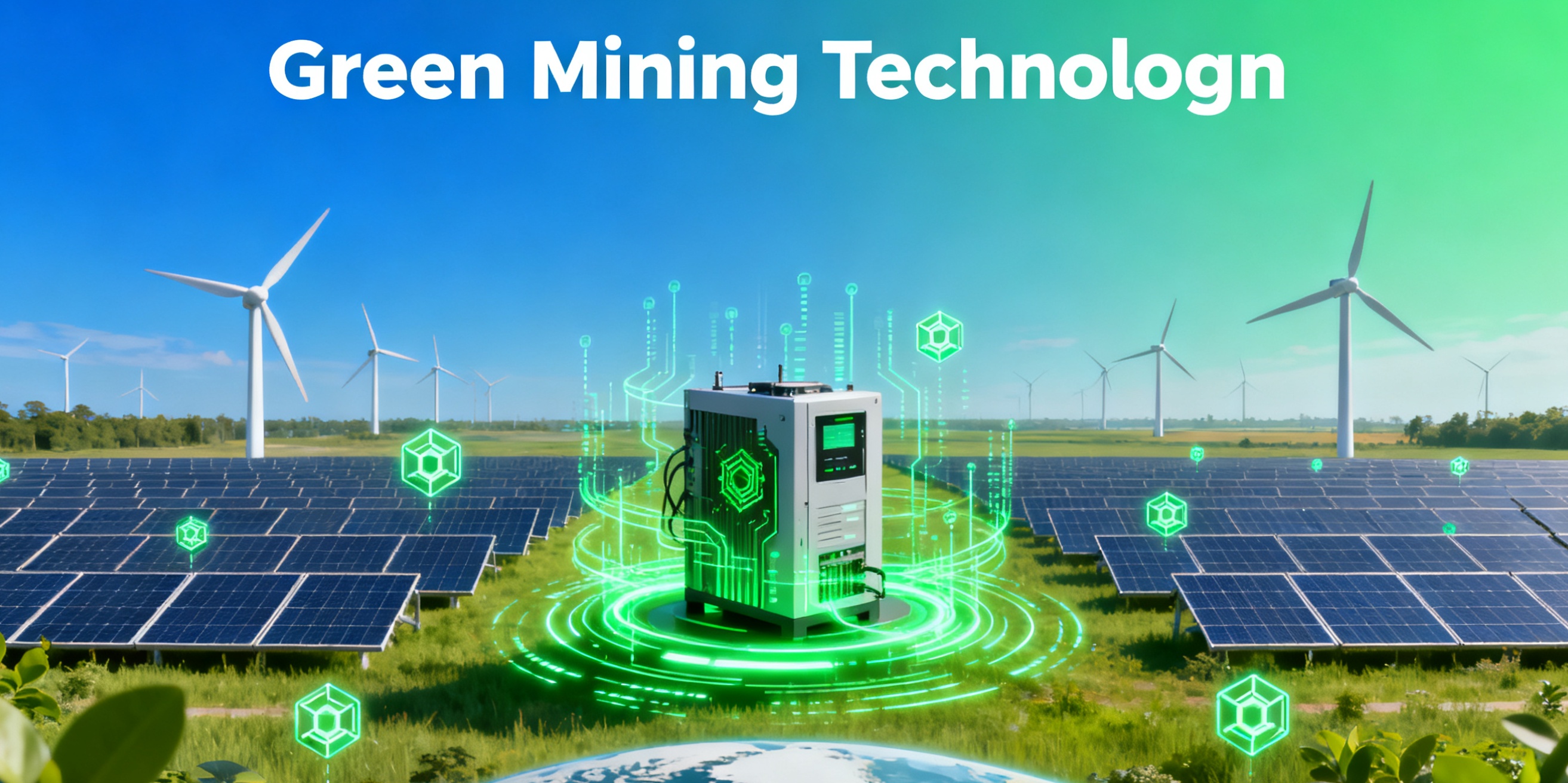
Bitcoin mining is the process of validating transactions and securing the network. While most miners join pools to combine computing power and share rewards, some choose the path of solo mining. This article explores how to mine Bitcoin without a pool, detailing the requirements, process, and realistic expectations for independent miners.
Solo mining means you compete alone to solve the cryptographic puzzle and add the next block to the Bitcoin blockchain. If you succeed, you receive the entire block reward, which is currently 3.125 BTC plus transaction fees. This contrasts with pool mining, where you receive smaller, more frequent payouts based on your contributed hash power. The allure of a full block reward is significant, but the challenges are substantial.
The primary requirement for solo mining is immense computational power. The Bitcoin network's total hash rate is measured in exahashes per second. To have any statistically relevant chance of finding a block alone, you need a significant portion of this power. This typically means investing in multiple high-end ASIC (Application-Specific Integrated Circuit) miners. A single modern ASIC miner, while powerful, represents a tiny fraction of the network's total hash rate. Expect to need a large, dedicated setup with efficient cooling and access to low-cost electricity to even begin competing.
You will need specialized software to connect your hardware to the Bitcoin network. Unlike pool mining software that connects to a pool server, solo mining requires software that runs a full Bitcoin node. Popular options include Bitcoin Core and specialized miners like CGMiner or BFGMiner configured for solo operation. You must download the entire Bitcoin blockchain and keep your node synchronized with the network, which requires considerable storage and bandwidth.
The process begins with setting up your full node. After installing Bitcoin Core and syncing the blockchain, you configure your mining hardware to point to your local node. Your mining rig will then work on solving blocks, submitting potential solutions directly to your node for validation and propagation to the network. You must ensure your wallet address is correctly configured in the mining software to receive the reward if you win.
The core challenge of solo mining is the extreme variance and unpredictability of rewards. With a small amount of hash rate, you might theoretically find a block in the next ten minutes, or you might never find one. The expected time to find a block can be calculated based on your share of the network hash rate. For most individual miners, this timeframe could be years or even decades. This makes solo mining a high-risk, high-variance endeavor akin to a lottery.
Is solo mining profitable? For the vast majority, the answer is no. The costs of hardware, electricity, and maintenance almost always outweigh the highly improbable chance of earning a block reward. Pool mining offers steadier, predictable income, smoothing out the variance. Solo mining is generally only feasible for entities with massive mining farms holding a non-trivial percentage of the global hash rate.
Despite the low odds, some miners are drawn to solo mining for ideological reasons, such as maximizing network decentralization by running a full node, or simply for the thrill of pursuing the full reward. It serves as an important reminder of Bitcoin's original, permissionless design where anyone could theoretically mine a block.
In conclusion, while technically possible, mining Bitcoin without a pool is an enormous undertaking. It requires a major upfront investment in hardware and infrastructure, a high tolerance for risk, and an acceptance that you may never see a return. For most individuals, joining a reputable mining pool remains the only practical way to participate in Bitcoin mining. If you attempt solo mining, do so with full awareness of the astronomical odds and ensure it aligns with your goals and resources.
Comment