 No KYC
 Proof-of-Stake
 Blockchain Verified
 Non-Custodial
 Auto-Compounding
How to Mine Bitcoin Transactions: A Beginner's Step-by-Step Guide
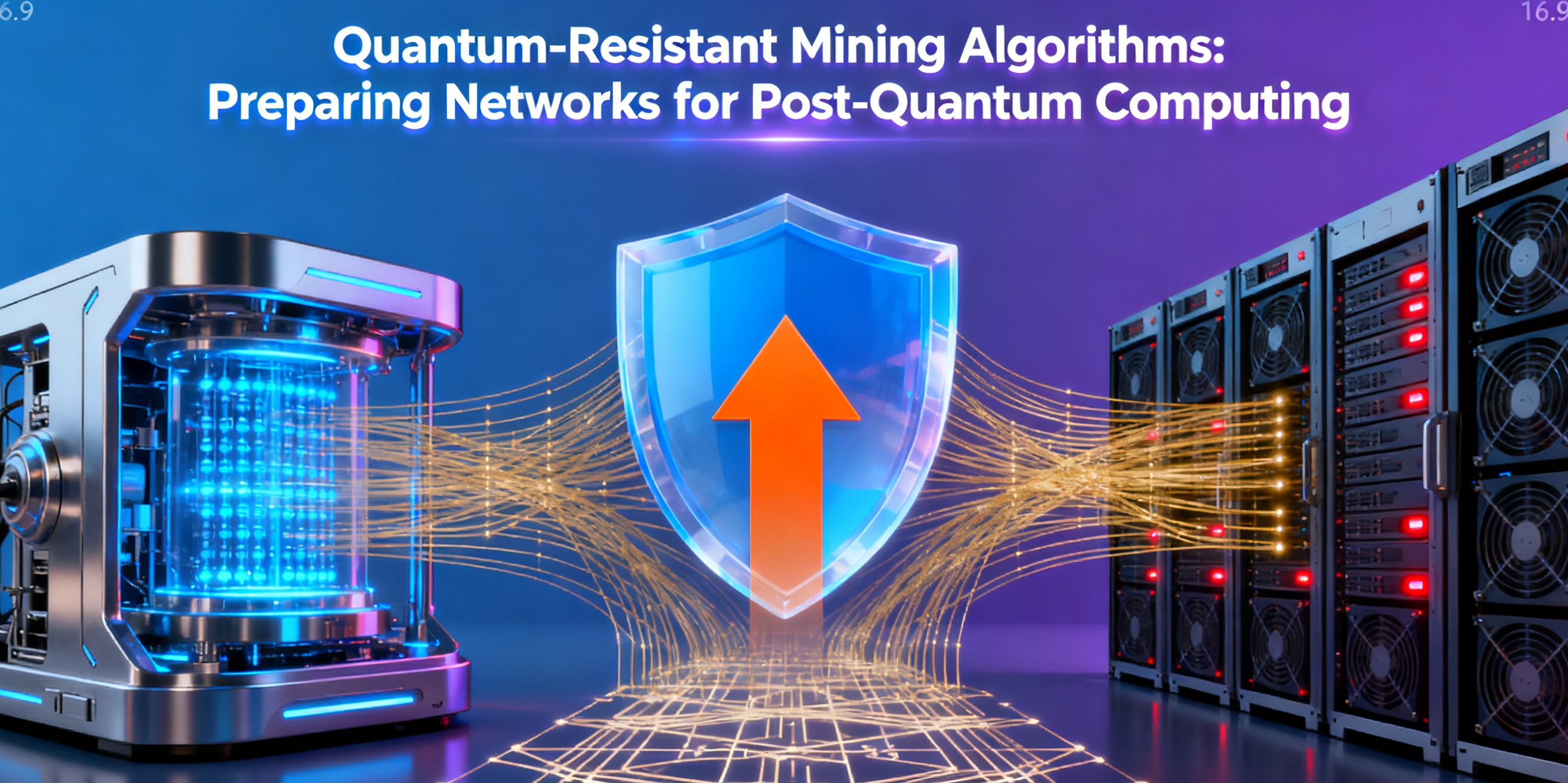
Many people hear "mine Bitcoin" and think of creating new coins. However, a core part of the mining process is verifying and adding transactions to the blockchain. This guide explains how mining actually processes Bitcoin transactions and how you can get involved.
At its heart, Bitcoin mining is the computational process that secures the network and confirms transactions. Miners compete to solve a complex cryptographic puzzle. The winner gets to create the next block in the chain, grouping pending transactions together, verifying their legitimacy, and permanently recording them on the public ledger. For this work, the miner is rewarded with newly minted Bitcoin and transaction fees.
So, how does a transaction get mined? First, a user broadcasts a transaction to the network. This transaction sits in a pool of unconfirmed transactions called the "mempool." Miners select transactions from this pool, prioritizing those with higher attached fees. They then compile these transactions into a candidate block. The miner's crucial task is to find a valid "nonce" (a random number) that, when hashed with the block's data, produces a result that meets the network's current difficulty target. This is the energy-intensive "proof-of-work."
Once a miner finds the correct nonce, they broadcast the new block to the network. Other nodes quickly verify the proof-of-work and the validity of all transactions within. If everything checks out, they accept the block, add it to their copy of the blockchain, and begin mining on top of it. The transactions inside are now considered confirmed, typically after 1-6 subsequent blocks are added for enhanced security.
For beginners interested in mining transactions today, the path is different from the early days. You will need specialized hardware called ASIC miners, a reliable and cheap electricity source, mining software, and a Bitcoin wallet. Due to extreme competition, solo mining is nearly impossible. Most miners join a "mining pool," where they combine their computational power with others to earn more frequent, smaller shares of the block reward.
The process involves choosing and setting up your ASIC hardware, connecting it to a mining pool via the software, and configuring your Bitcoin payout address. The pool then assigns you work, and you contribute hashing power toward solving blocks. It is critical to calculate profitability beforehand, factoring in hardware cost, electricity rates, and pool fees, as mining is often a low-margin endeavor.
In summary, mining Bitcoin transactions is the essential engine that keeps the network decentralized and secure. While the barrier to entry is now high for individual miners, understanding the process demystifies how your Bitcoin transfers move from pending to confirmed. By joining a reputable pool and managing costs effectively, you can still participate in this foundational activity of the cryptocurrency ecosystem.
Comment