 No KYC
 Proof-of-Stake
 Blockchain Verified
 Non-Custodial
 Auto-Compounding
How to Mine Bitcoin in 2024: A Beginner's Step-by-Step Guide
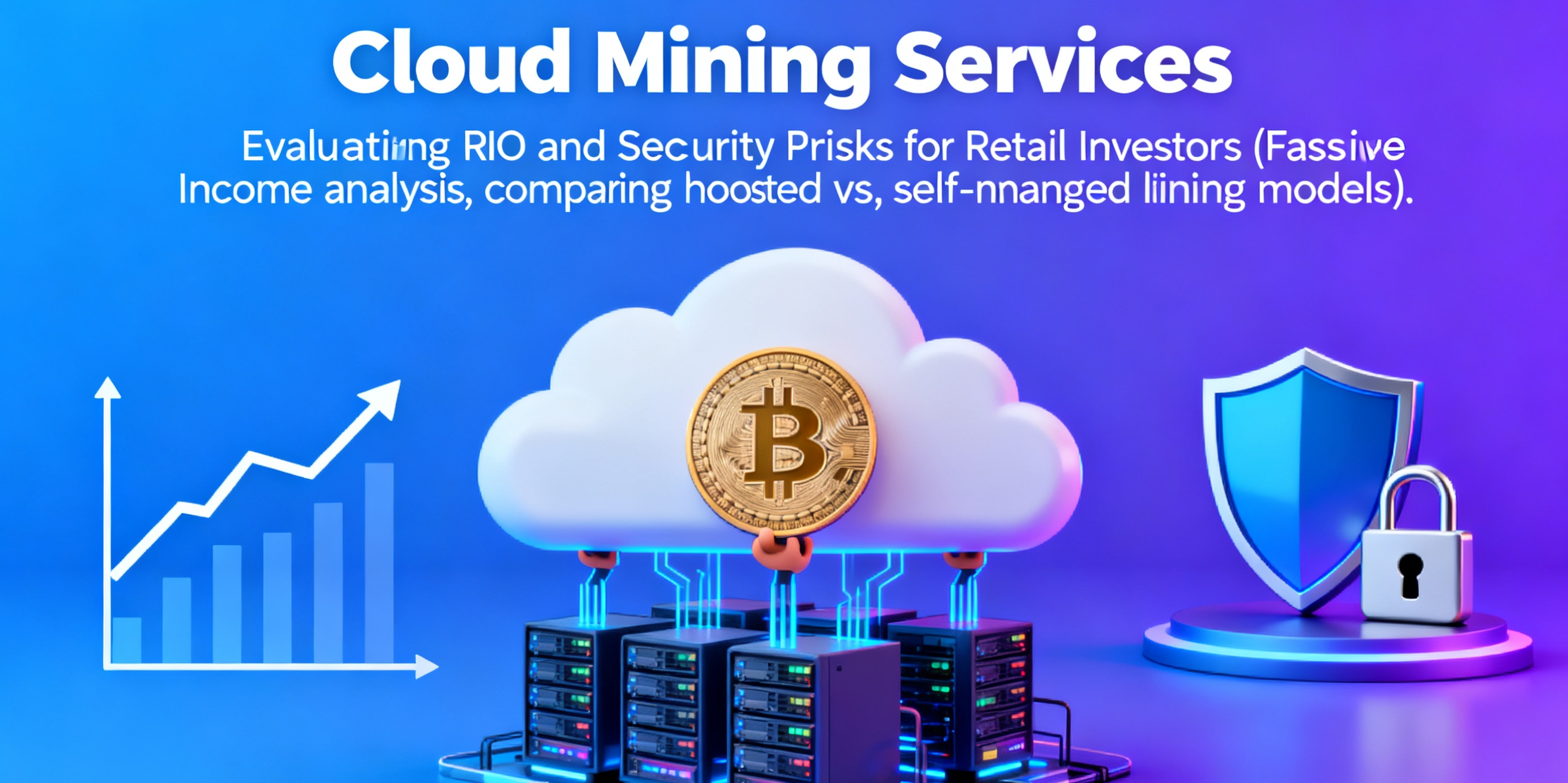
Bitcoin mining is the foundational process that secures the Bitcoin network and introduces new coins into circulation. For many, it represents an intriguing way to earn cryptocurrency. This guide will walk you through the essentials of how to mine Bitcoin today, from the basic concepts to the practical steps you need to get started.
At its core, Bitcoin mining involves using specialized computers to solve complex mathematical puzzles. These machines, known as miners, compete to validate and add new blocks of transactions to the blockchain. The first miner to solve the puzzle is rewarded with a set amount of newly minted Bitcoin, along with transaction fees. This process not only creates new BTC but also secures and decentralizes the entire network, ensuring its integrity without a central authority.
Before you begin, understanding the required hardware is crucial. In the early days, mining was possible with standard PCs. Today, the competition is fierce, and you need specialized equipment. The primary options are ASIC (Application-Specific Integrated Circuit) miners. These devices are built solely for mining Bitcoin and offer immense processing power, measured in terahashes per second (TH/s). Popular and efficient models come from manufacturers like Bitmain and MicroBT. Attempting to mine with a GPU or CPU is now largely unprofitable for Bitcoin.
Choosing the right mining software is your next step. This software connects your hardware to the Bitcoin blockchain and your chosen mining pool. It does not control your miner but facilitates its work. Common, user-friendly options include CGMiner, BFGMiner, and NiceHash. The choice often depends on your operating system and specific hardware model.
Joining a mining pool is highly recommended for individual miners. Due to the extreme difficulty of mining a block solo, miners combine their computational power in a "pool" to increase the chances of earning rewards. When the pool successfully mines a block, the reward is distributed among all participants based on the amount of hash power they contributed. Reputable pools include Foundry USA, Antpool, and F2Pool. Remember to research their fee structures and payout schemes.
A secure Bitcoin wallet is an absolute necessity before you generate any earnings. This wallet holds the private keys to your mined Bitcoin. Options range from hardware wallets (like Ledger or Trezor) for maximum security to software wallets (like Electrum or Exodus) for convenience. Never store significant earnings on an exchange or with your mining pool.
The final step is configuring your miner. This involves connecting your ASIC hardware to a power source and your internet router, then using its IP address to access a configuration panel via a web browser. Here, you will enter details like your mining pool's URL, your wallet address, and your worker credentials. Once saved, your miner will start working and you can monitor its performance and temperature through the pool's dashboard.
It is vital to conduct a rigorous profitability analysis before investing. Consider the upfront cost of ASIC miners, which can be several thousand dollars. The ongoing costs, primarily electricity, are the most critical factor. Mining consumes substantial power, and your profit depends heavily on your local electricity rate. Use online Bitcoin mining calculators to input your hardware's hash rate, power consumption, electricity cost, and the current network difficulty to estimate potential earnings. Always be aware that mining profitability is volatile and influenced by Bitcoin's market price and network difficulty.
Bitcoin mining has evolved into a professional, capital-intensive industry. However, for tech-savvy individuals with access to affordable electricity, it remains a fascinating way to participate directly in the Bitcoin ecosystem. By carefully selecting your hardware, joining a reliable pool, and managing costs, you can embark on your mining journey. Stay informed, as the world of cryptocurrency mining continues to advance at a rapid pace.
Comment