 No KYC
 Proof-of-Stake
 Blockchain Verified
 Non-Custodial
 Auto-Compounding
Bitcoin Mining Crackdown: Global Policies and Energy Impact Explained
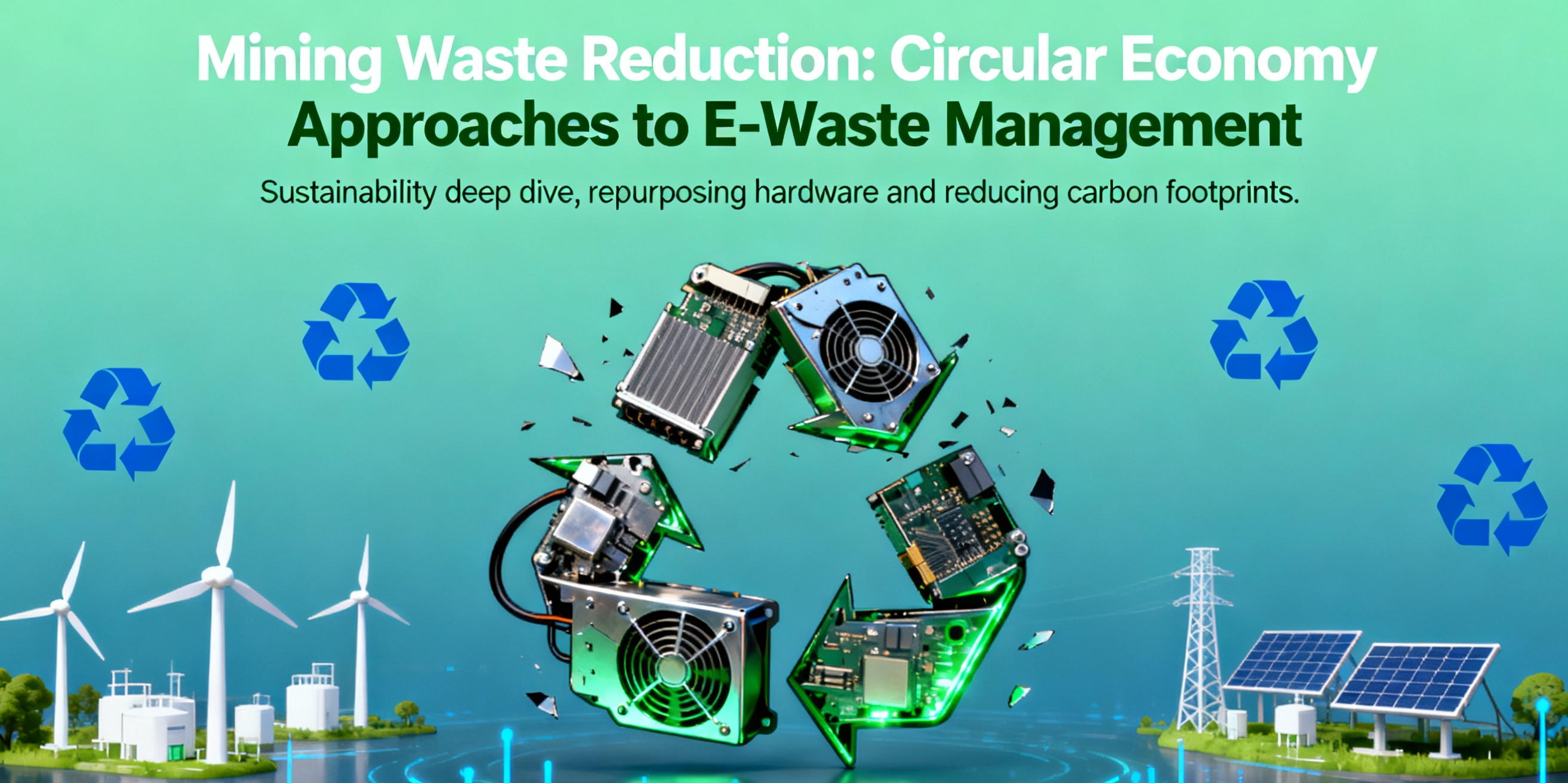
Governments worldwide are intensifying efforts to crack down on Bitcoin mining, driven by concerns over energy consumption, financial stability, and environmental impact. This global regulatory shift is reshaping the cryptocurrency landscape, prompting miners to adapt or face significant operational challenges. Understanding the methods and motivations behind these crackdowns is crucial for anyone involved in the digital asset space.
A primary driver for the crackdown on Bitcoin mining is its enormous energy appetite. The proof-of-work consensus mechanism, which secures the Bitcoin network, requires specialized computers to solve complex mathematical puzzles. This process, while robust, consumes electricity comparable to that of entire nations. In response, countries like China, which once hosted a majority of the world's miners, implemented a comprehensive ban in 2021. This policy aimed to control financial risk and meet stringent carbon reduction goals, causing a major geographical shift in mining operations.
Regulatory strategies to curb mining activities vary by region but often involve a multi-pronged approach. A common tactic is the restriction or outright prohibition of mining operations by legislative action. Authorities may also target the financial infrastructure supporting miners, such as prohibiting banks and payment companies from facilitating transactions. Furthermore, governments are increasingly leveraging energy policy, denying industrial electricity tariffs or cutting off power supply to identified mining facilities. Some jurisdictions are even employing technological surveillance to detect and shut down clandestine mining operations hiding within residential or industrial areas.
The environmental argument remains at the forefront of the crackdown on Bitcoin mining. Critics highlight the industry's reliance on non-renewable energy sources, such as coal, which contributes to greenhouse gas emissions. This has led to pressure from both policymakers and the public for greater sustainability. In response, some mining enterprises are migrating to regions with abundant renewable energy, like hydroelectric power in Scandinavia or North America. However, the regulatory uncertainty persists, as seen in the United States, where proposed legislation seeks to mandate environmental disclosures from miners.
The economic and geopolitical implications of these crackdowns are profound. On one hand, nations view unchecked cryptocurrency mining as a threat to their energy grids and monetary sovereignty. On the other hand, some countries, including certain U.S. states and nations like Kazakhstan, initially welcomed displaced miners for economic development, only to later face energy shortages themselves. This push-and-pull dynamic creates a volatile environment for mining businesses, forcing them to prioritize flexibility and seek jurisdictions with clear and stable regulations.
For the Bitcoin network itself, the crackdown on concentrated mining has had an unexpected benefit: increased decentralization. The exodus from China distributed hash power more globally, arguably enhancing the network's resilience against regional shutdowns. Miners are now more incentivized to innovate, seeking energy-efficient technologies and forging partnerships with energy providers to utilize stranded or flared gas. This adaptation demonstrates the industry's evolving response to regulatory pressure.
Looking ahead, the trend of stricter oversight is likely to continue. The focus of the crackdown on Bitcoin mining may expand from pure energy usage to broader concerns about national security and capital controls. The future of mining will depend heavily on its ability to align with global energy transition goals and demonstrate tangible economic benefits to host communities. Compliance, sustainability, and transparency are becoming the new benchmarks for mining operations seeking long-term viability in an increasingly regulated world.
Comment