 No KYC
 Proof-of-Stake
 Blockchain Verified
 Non-Custodial
 Auto-Compounding
How to Mine Bitcoin: A Beginner's Step-by-Step Guide for 2024
Bitcoin mining is the foundational process that secures the Bitcoin network and introduces new coins into circulation. For many, it represents a fascinating intersection of technology, finance, and independence. This guide will walk you through the essentials of how to mine Bitcoin today, outlining the required hardware, software, and key considerations for anyone looking to start.
At its core, Bitcoin mining involves specialized computers competing to solve complex cryptographic puzzles. The first miner to solve the puzzle earns the right to add a new block of transactions to the blockchain and is rewarded with newly minted Bitcoin and transaction fees. This process, known as Proof-of-Work, validates and secures all transactions on the network, preventing double-spending and ensuring trust without a central authority.
The most critical component for mining is hardware. In the early days, miners used standard CPUs, followed by GPUs. Today, professional Bitcoin mining is dominated by ASICs (Application-Specific Integrated Circuits). These devices are engineered solely for mining Bitcoin and offer processing power millions of times greater than consumer hardware. Popular and efficient ASIC models in 2024 come from manufacturers like Bitmain, MicroBT, and Canaan. Choosing the right ASIC involves balancing upfront cost, hash rate (measured in terahashes per second), and energy efficiency.
Beyond hardware, you will need mining software to connect your hardware to the Bitcoin blockchain and a mining pool. Solo mining, where you compete alone, is statistically unlikely to yield rewards due to the immense network difficulty. Joining a mining pool combines your computational power with other miners, increasing the frequency of earning rewards, which are then shared proportionally among participants. Reputable pools include Foundry USA, Antpool, and F2Pool. You will also need a secure Bitcoin wallet to receive and store your mining rewards.
A frequently overlooked but paramount factor is operational cost, primarily electricity. ASIC miners consume substantial amounts of power. Profitable mining hinges on securing electricity at a very low cost per kilowatt-hour. Additionally, the hardware generates significant heat and noise, requiring a cool, well-ventilated space or specialized hosting facilities. Potential miners must calculate profitability by considering hardware cost, electricity rates, pool fees, and the current Bitcoin price and network difficulty. Online calculators can help run these projections.
For beginners hesitant to invest heavily in hardware, alternative methods exist. Cloud mining allows you to rent mining power from a remote data center. While it reduces upfront capital and logistical hassles, it requires careful vetting of providers to avoid scams and often offers lower profit margins. Another option is to mine alternative cryptocurrencies with a standard GPU, which can sometimes be more accessible, and then convert earnings to Bitcoin.
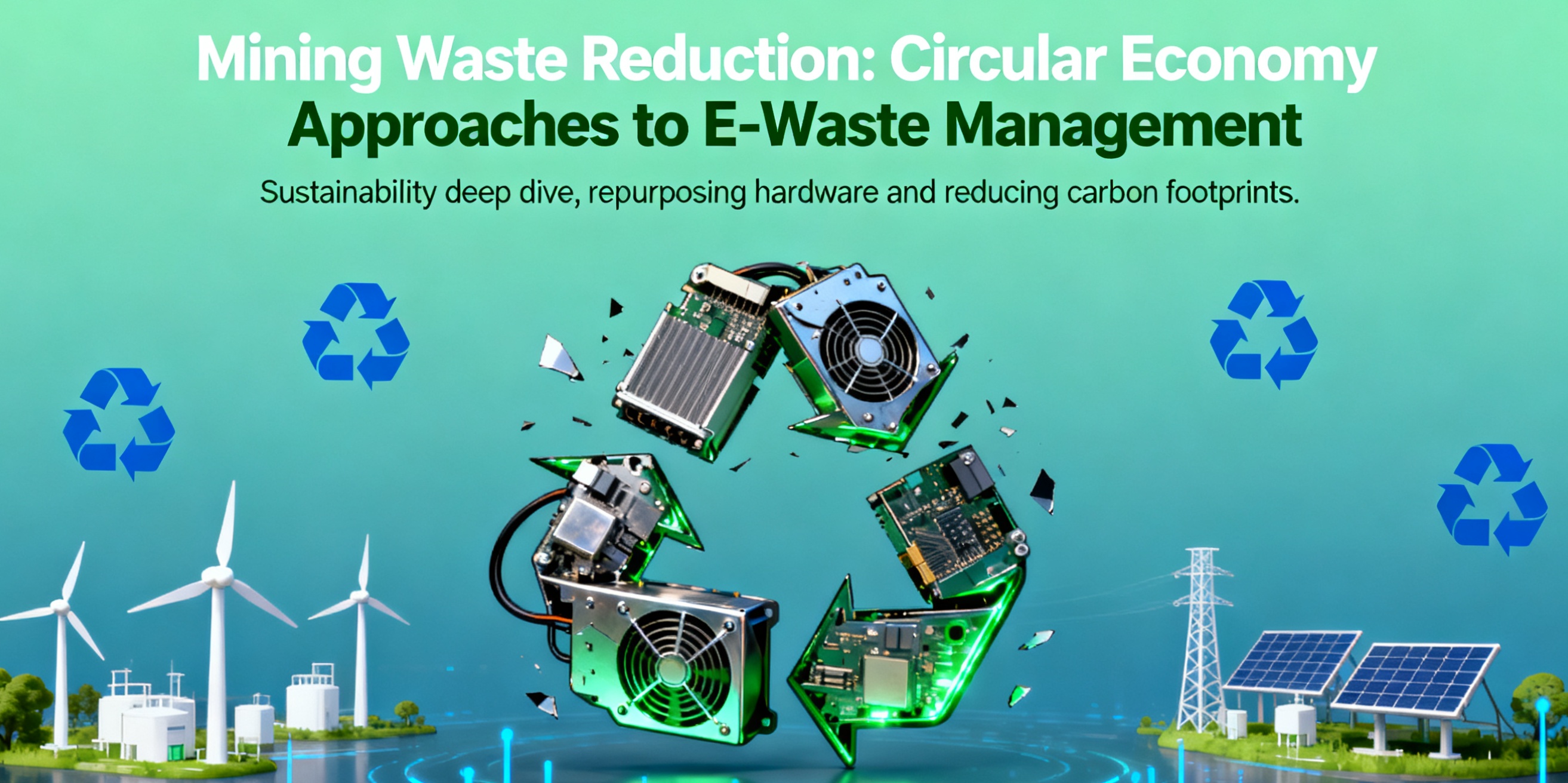
The landscape of Bitcoin mining continues to evolve. Network difficulty adjusts regularly, and the block reward undergoes scheduled halvings, which reduce the mining reward by half approximately every four years. The next halving is anticipated in 2024. Furthermore, there is a growing emphasis on using sustainable or stranded energy sources for mining, addressing environmental concerns. Successful mining now requires not just technical setup but also ongoing financial analysis and adaptability to industry shifts.
In conclusion, Bitcoin mining has transformed into a sophisticated, capital-intensive industry. For a dedicated individual with access to affordable electricity and the capacity to manage technical operations, it remains a potential avenue to earn Bitcoin. Thorough research, precise calculations, and a clear understanding of the risks are essential before any investment. By starting with the right hardware, joining a reliable pool, and meticulously managing costs, you can participate in securing the world's leading cryptocurrency network.
Comment