 No KYC
 Proof-of-Stake
 Blockchain Verified
 Non-Custodial
 Auto-Compounding
How to Mine Bitcoin in 2024: A Beginner's Step-by-Step Guide
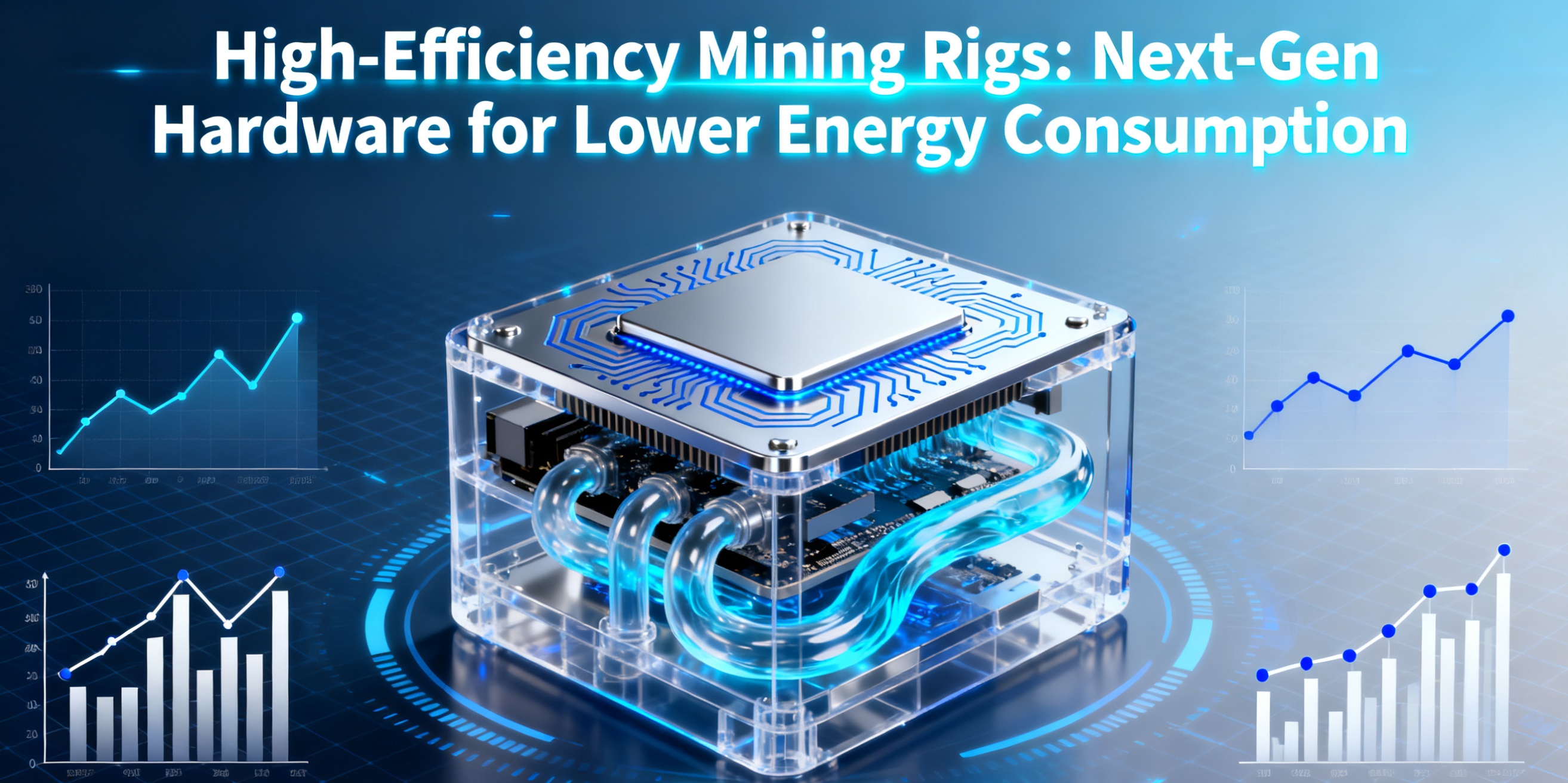
Bitcoin mining is the foundational process that secures the network and introduces new coins into circulation. For many, it represents a fascinating way to earn cryptocurrency. This guide breaks down how Bitcoin mining works and the steps to get started today.
At its core, mining involves using specialized computers to solve complex mathematical puzzles. These machines, known as miners, compete to validate and add a new block of transactions to the Bitcoin blockchain. The first miner to solve the puzzle is rewarded with newly minted Bitcoin and transaction fees. This process, called Proof-of-Work, ensures the network's security and integrity.
Before you begin, understanding the essential components is crucial. You will need dedicated mining hardware. Gone are the days of using a regular PC; today, Application-Specific Integrated Circuits (ASICs) are the only viable option for profitable mining. These devices are designed solely for mining Bitcoin and offer immense processing power. You will also need reliable mining software to connect your hardware to the blockchain, a secure Bitcoin wallet to store your earnings, and access to a stable, low-cost electricity source, as power consumption is the primary ongoing cost.
The first practical step is choosing your mining approach. Solo mining, where you mine alone, is highly unlikely to yield rewards due to the immense global competition. Most miners join a mining pool. A pool combines the computational power of all its members, increasing the chance of solving a block. Rewards are then distributed among participants based on their contributed share of the work. This provides a smaller but more steady and predictable income stream. Alternatively, you can use cloud mining services, which rent mining power from a remote data center. However, this method requires caution due to the prevalence of scams and often less favorable contract terms.
Once you have selected your method, the setup process follows. If you are setting up your own hardware (ASIC), you will need to procure the device, install the necessary software, and connect to a chosen mining pool by configuring your miner with the pool's address and your worker credentials. Ensuring proper cooling and ventilation for your equipment is vital, as ASICs generate significant heat. Finally, you will configure your Bitcoin wallet address within the pool's dashboard to receive your share of the rewards.
It is absolutely critical to calculate profitability before investing. Mining is a business venture with substantial costs. Use an online Bitcoin mining calculator to input your hardware's hash rate, power consumption, electricity costs, and pool fees. This calculation will estimate your potential earnings or losses. Given Bitcoin's price volatility and the increasing mining difficulty, profitability is never guaranteed. The mining difficulty adjusts approximately every two weeks to ensure a consistent block time, meaning more competition makes earning rewards harder.
For beginners in 2024, joining a reputable mining pool is the most realistic entry point. Start by researching and comparing pools based on their fee structure, payout schemes, and reputation. Invest in the most energy-efficient ASIC miner your budget allows, as electricity is the recurring cost. Always prioritize security by using a trusted, secure wallet, preferably a hardware wallet, for your earnings. Stay informed by continuously monitoring your setup's performance and the evolving mining landscape.
Bitcoin mining has evolved into a highly competitive, industrial-scale activity. While it remains accessible to individuals, success now hinges on careful planning, strategic investment in efficient hardware, and meticulous management of operational costs. By understanding the fundamentals, calculating risks, and starting with a sensible approach, you can navigate the complex yet rewarding world of Bitcoin mining.
Comment