

Daily Auto-Yield 2.7%

Auto-compounded. No lock, no transfer required. Your funds stay in your wallet with complete control.

No KYC No KYC Proof-of-Stake Proof-of-Stake Blockchain Verified Blockchain Verified Non-Custodial Non-Custodial Auto-Compounding Auto-Compounding



What is Bitcoin Mining? A Simple Guide to How It Works & Why It Matters
What is Bitcoin Mining? A Simple Guide to How It Works & Why It Matters

If you've heard about Bitcoin, you've likely come across the term "mining." But what does it actually mean to mine a digital currency? Unlike traditional mining that extracts physical resources from the earth, Bitcoin mining is a computational process that secures the network and creates new coins. At its core, it's the engine that powers the entire Bitcoin system.

Think of Bitcoin as a global, digital ledger called the blockchain. This ledger records every single transaction. Mining is the process of adding new "pages" or blocks of transactions to this public ledger. Miners around the world use powerful computers to compete in solving an incredibly complex cryptographic puzzle. The first miner to solve the puzzle gets the right to add the next block to the chain and is rewarded with newly minted Bitcoin and transaction fees. This is how new Bitcoin enters circulation.

This process serves two absolutely vital functions. First, it validates and secures transactions, ensuring that the same Bitcoin isn't spent twice. Once a transaction is confirmed in a block and added to the blockchain, it becomes nearly impossible to alter, making the network highly secure and trustworthy. Second, it controls the issuance of new Bitcoin in a predictable, decentralized way, without the need for a central bank. The reward for mining halves approximately every four years in an event known as the "halving," which gradually reduces the new supply until the maximum of 21 million Bitcoins is reached.

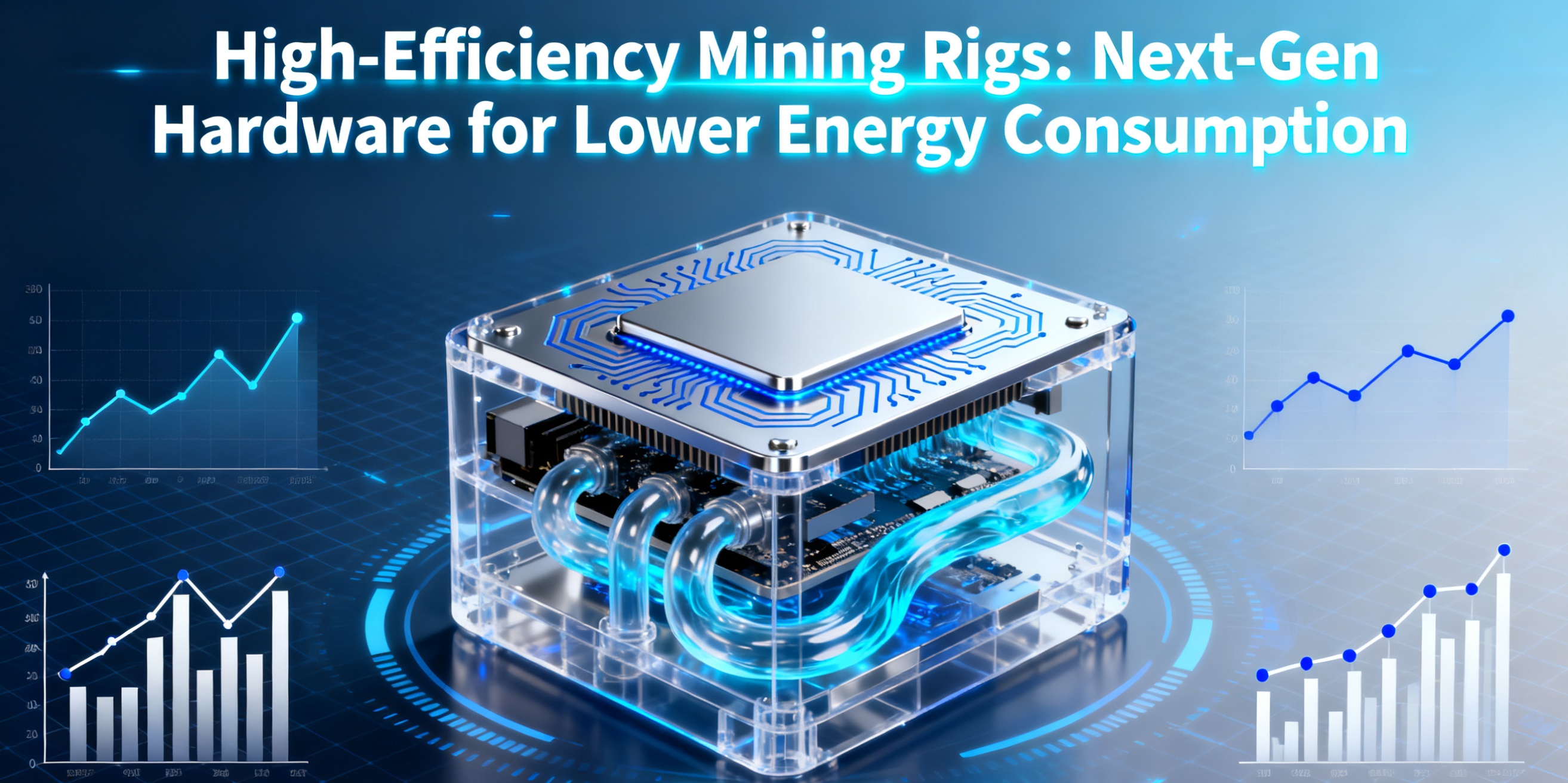
So, how does one become a miner? In the early days, individuals could mine using a standard home computer. Today, due to intense competition, mining is dominated by specialized hardware known as Application-Specific Integrated Circuits (ASICs). These machines are designed solely for mining Bitcoin and consume massive amounts of electricity. Most miners now join "mining pools," where they combine their computational power to have a better chance of solving the puzzle and share the rewards proportionally. The costs of equipment and electricity are significant factors in mining profitability.

Why does mining matter? It is the foundation of Bitcoin's decentralized nature. Instead of a single entity controlling the money supply or verifying transactions, this duty is distributed among a global network of miners. This makes the system resistant to censorship and fraud. The "proof-of-work" mechanism, which is the mining process, ensures that attacking the network would require an unrealistic amount of computational power and energy, thereby protecting it.

In conclusion, Bitcoin mining is far more than just creating new coins. It is a sophisticated, incentive-driven system for achieving consensus, securing a revolutionary financial network, and distributing digital currency in a fair and transparent manner. By understanding mining, you grasp the fundamental innovation that allows Bitcoin to operate as a decentralized, peer-to-peer form of money, free from central control.

Comment

MTMining

Decentralized USDC Auto-Yield Platform
No KYC
Proof-of-Stake
Blockchain Verified
Non-Custodial

What is Bitcoin Mining? A Simple Guide to How It Works & Why It Matters

What is Bitcoin Mining? A Simple Guide to How It Works & Why It Matters

If you've heard about Bitcoin, you've likely come across the term "mining." But what does it actually mean to mine a digital currency? Unlike traditional mining that extracts physical resources from the earth, Bitcoin mining is a computational process that secures the network and creates new coins. At its core, it's the engine that powers the entire Bitcoin system.

Think of Bitcoin as a global, digital ledger called the blockchain. This ledger records every single transaction. Mining is the process of adding new "pages" or blocks of transactions to this public ledger. Miners around the world use powerful computers to compete in solving an incredibly complex cryptographic puzzle. The first miner to solve the puzzle gets the right to add the next block to the chain and is rewarded with newly minted Bitcoin and transaction fees. This is how new Bitcoin enters circulation.

This process serves two absolutely vital functions. First, it validates and secures transactions, ensuring that the same Bitcoin isn't spent twice. Once a transaction is confirmed in a block and added to the blockchain, it becomes nearly impossible to alter, making the network highly secure and trustworthy. Second, it controls the issuance of new Bitcoin in a predictable, decentralized way, without the need for a central bank. The reward for mining halves approximately every four years in an event known as the "halving," which gradually reduces the new supply until the maximum of 21 million Bitcoins is reached.

So, how does one become a miner? In the early days, individuals could mine using a standard home computer. Today, due to intense competition, mining is dominated by specialized hardware known as Application-Specific Integrated Circuits (ASICs). These machines are designed solely for mining Bitcoin and consume massive amounts of electricity. Most miners now join "mining pools," where they combine their computational power to have a better chance of solving the puzzle and share the rewards proportionally. The costs of equipment and electricity are significant factors in mining profitability.

Why does mining matter? It is the foundation of Bitcoin's decentralized nature. Instead of a single entity controlling the money supply or verifying transactions, this duty is distributed among a global network of miners. This makes the system resistant to censorship and fraud. The "proof-of-work" mechanism, which is the mining process, ensures that attacking the network would require an unrealistic amount of computational power and energy, thereby protecting it.

In conclusion, Bitcoin mining is far more than just creating new coins. It is a sophisticated, incentive-driven system for achieving consensus, securing a revolutionary financial network, and distributing digital currency in a fair and transparent manner. By understanding mining, you grasp the fundamental innovation that allows Bitcoin to operate as a decentralized, peer-to-peer form of money, free from central control.

Comment